I came to appreciate merino wool’s consistency during a long Alaskan winter. Temperatures around the tundra village of Nikolai sit around forty below freezing, right where Fahrenheit and Celsius meet. In this extreme environment, things often behave as they shouldn’t.
Those of you who have watched the liquidity of solid glass panes during an earthquake will understand this. Objects you thought had integrity can change at a decimal point on a thermometer.
Take plastic bandages, for example. They’re predominately made of extruded polymers. The molecular structure of these materials changes at the glass transition temperature. The “flexible” fabric turns brittle and shatters around thirty below, rendering them useless shards.
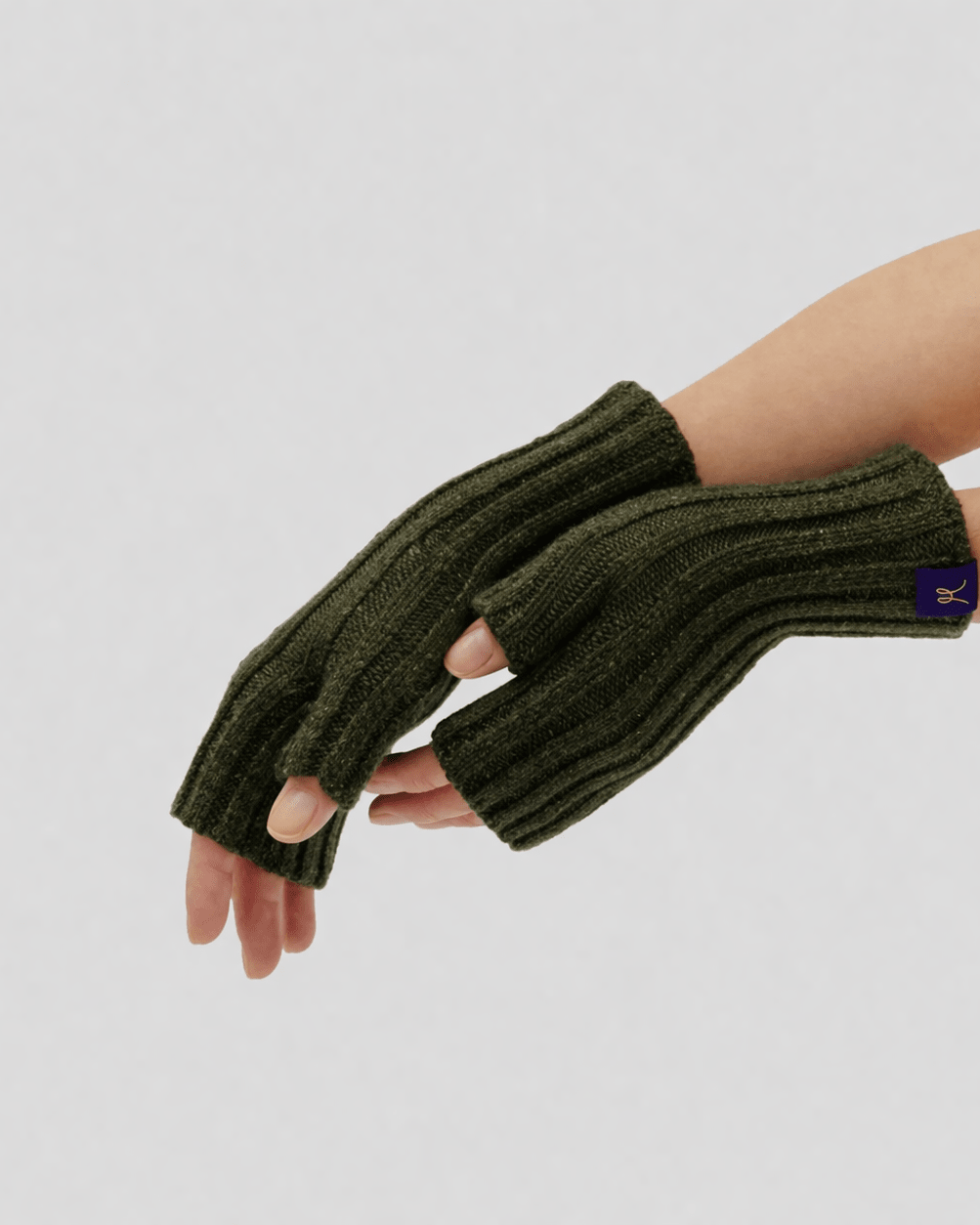
Merino wool, however, has no known cold-induced failure point. It is a fibre that will keep you safe well beyond the limits of the human body. To watch merino consistently perform has been a privilege.
So this week, take a moment to appreciate why we wear merino wool.
Lucas Smith
WoolAid - Founder
www.woolaid.com